Quality kids' toys,
ride-ons and outdoor play.
A huge range of incredible outdoor and ride-on toys that every adult secretly wants for themselves.
- Delivered within 48 hoursIn-stock orders
- Safety checkedUKCA and CE marked
- 30-day returnsFree collection arranged
- Family run since 1997Ramsgate, Kent
Shop by category
Everything from pedal tractors to paddling pools.
Shop by brand







What's on right now
-
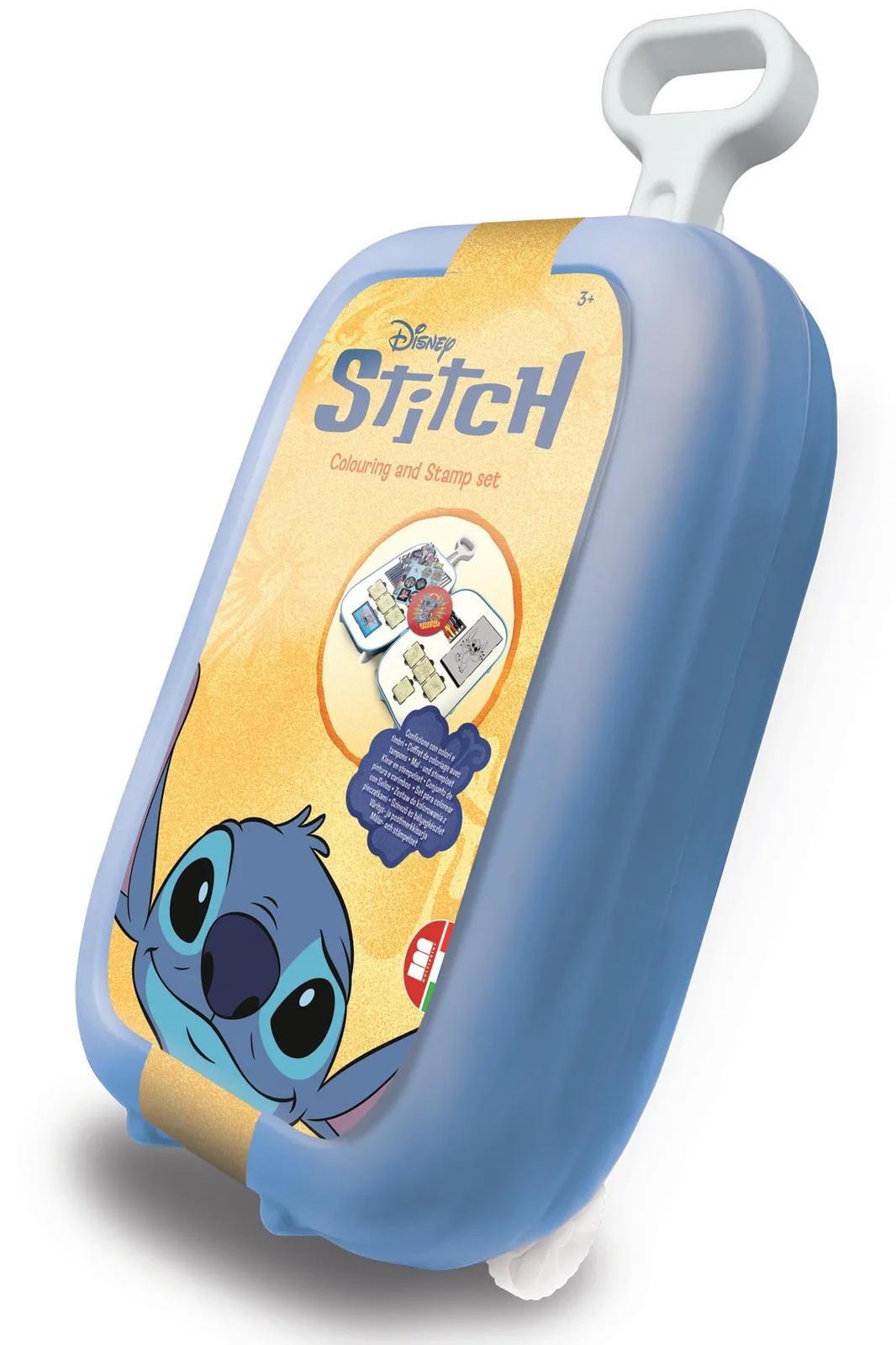
Back to school
This term's sale is on now - every reduction in the shop, on one page.
Shop the sale -
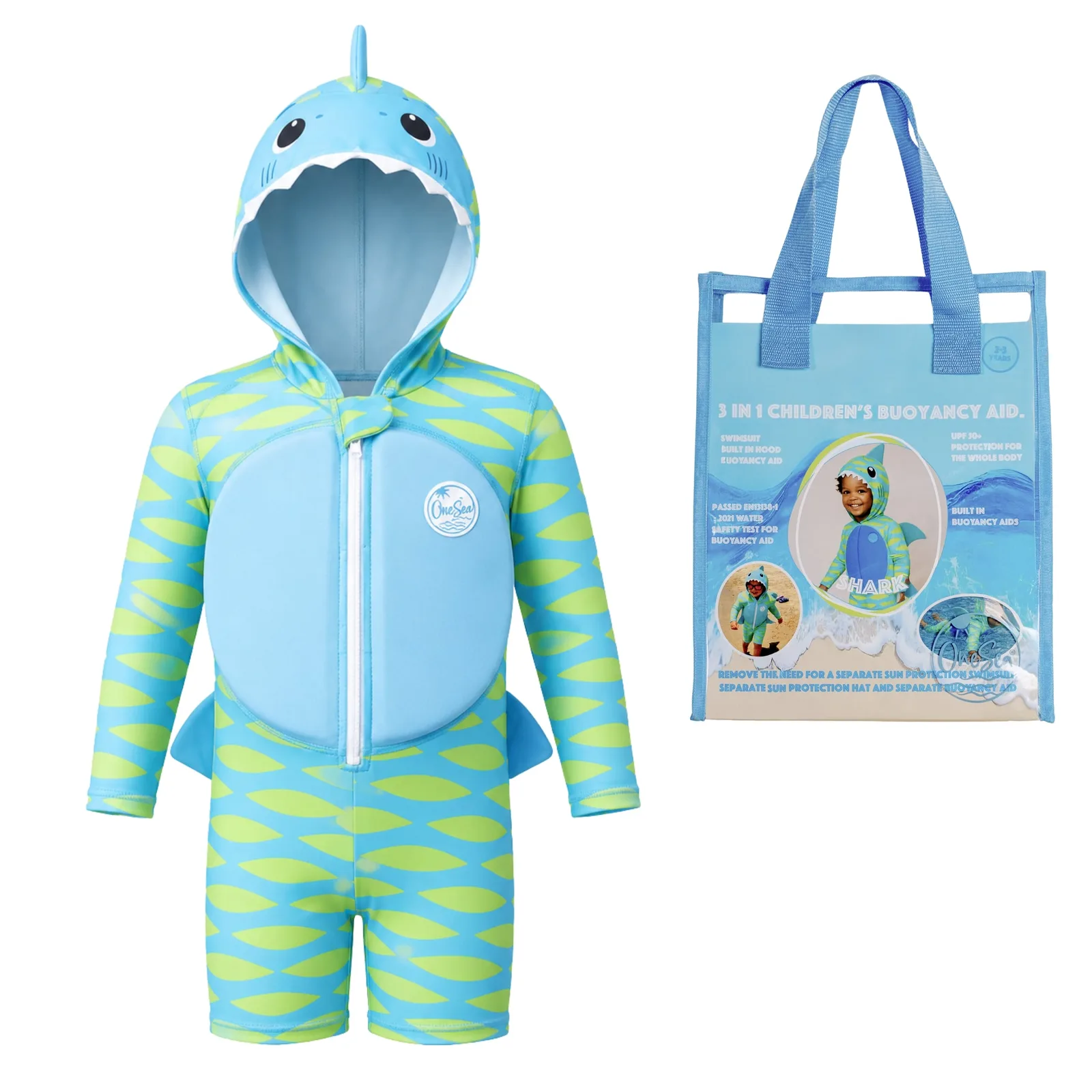
OneSea and water toys
Buoyancy swimsuits, floats and everything else for the pool and the beach.
Shop water toys -
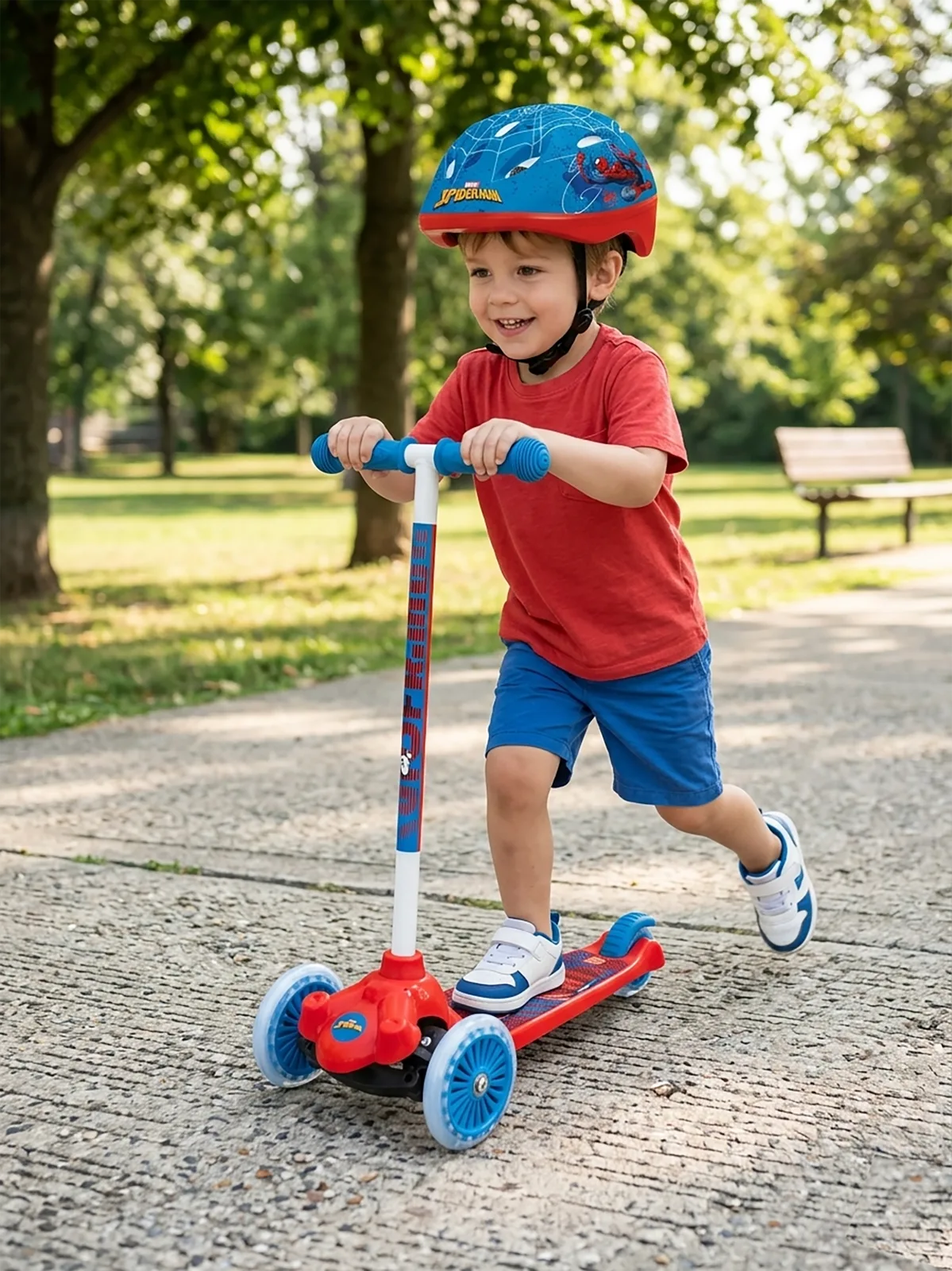
Summer bundles
Put a set together in one go - the summer must-haves, bundled for home or holidays.
Shop bundles -
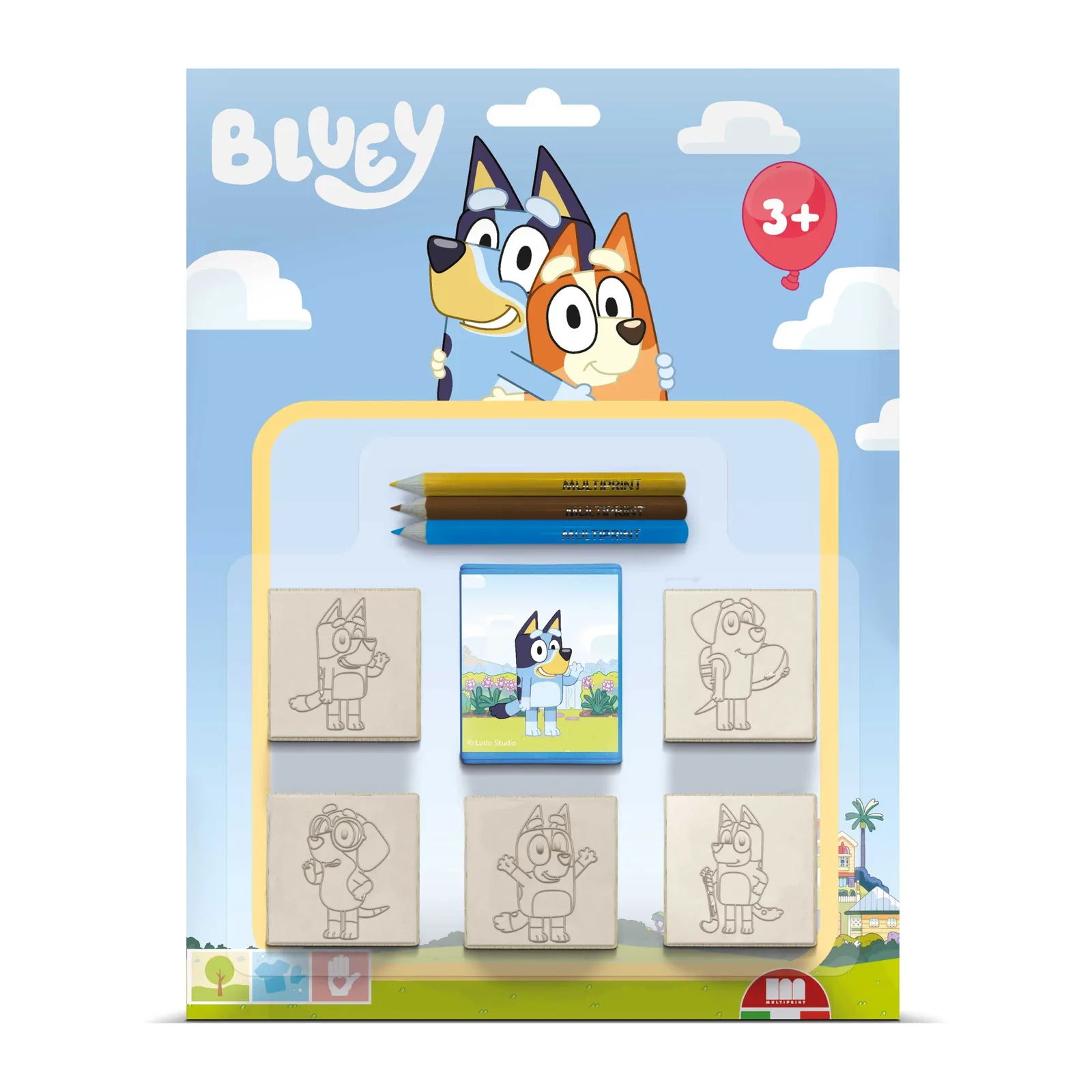
Wooden toys
Classic wooden puzzles, games and animals, built to be handed down.
Shop wooden toys -
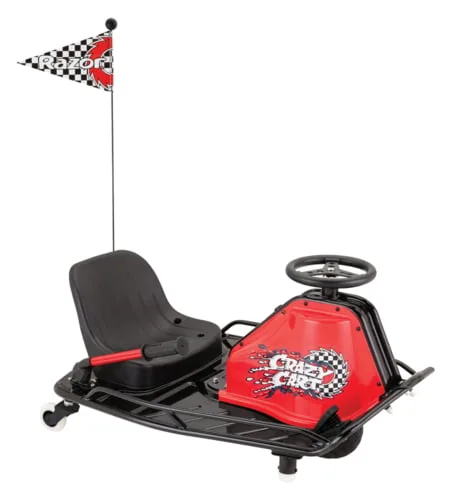
Razor Crazy Cart
Drive it, spin it, drift it - the kart that goes sideways on purpose.
Find out more
Popular right now
Straight from the live Toytastic range.
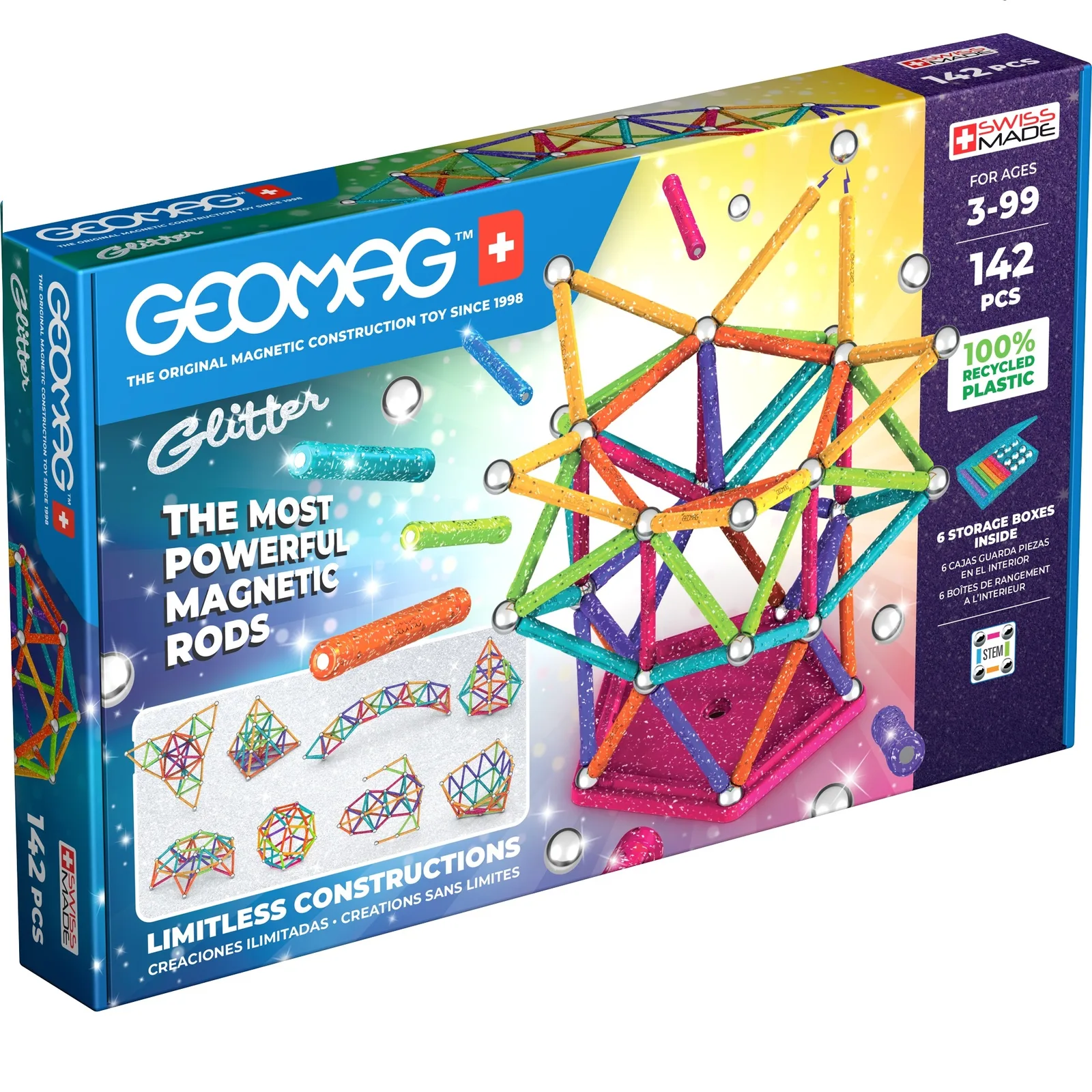
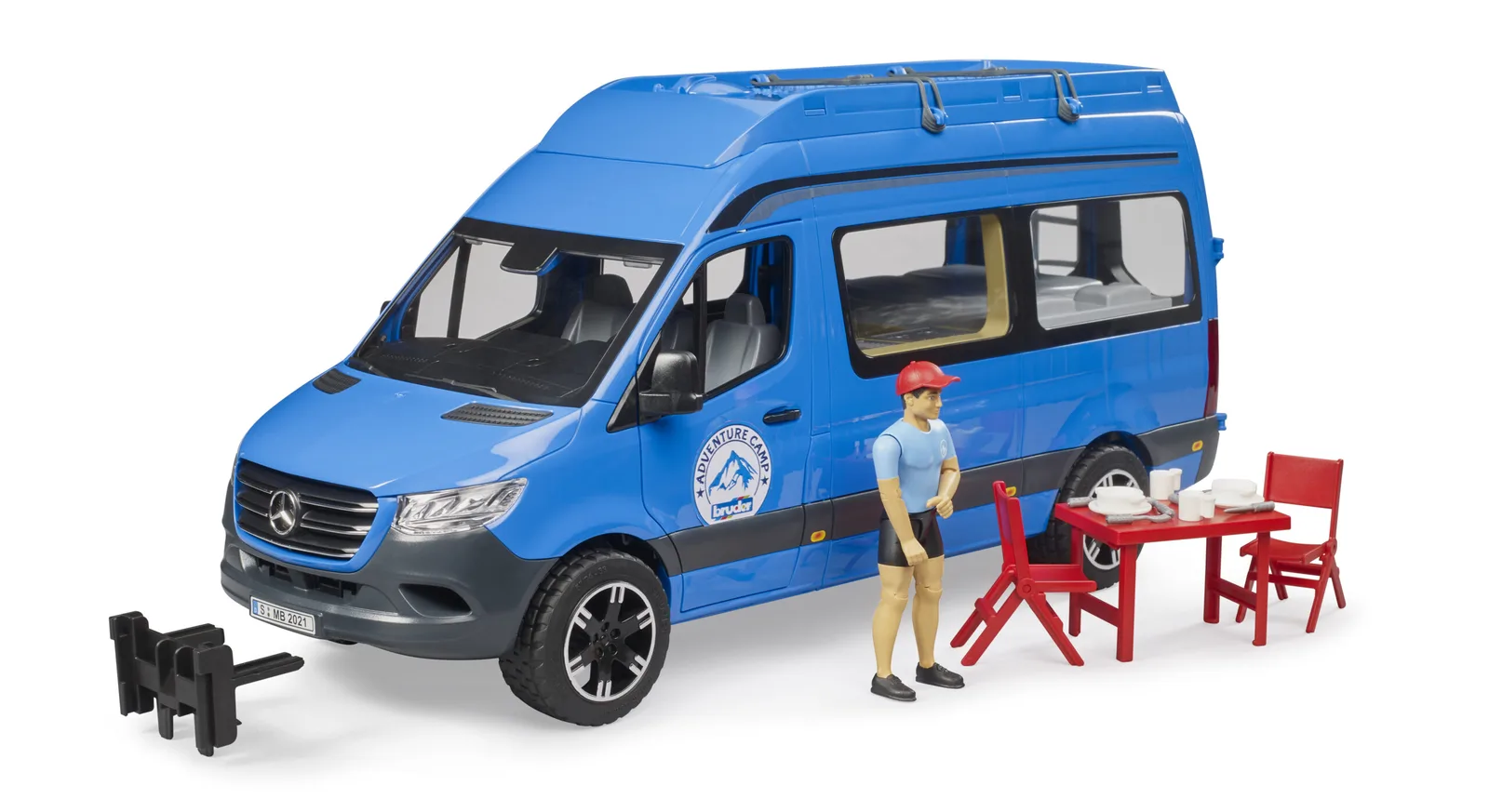
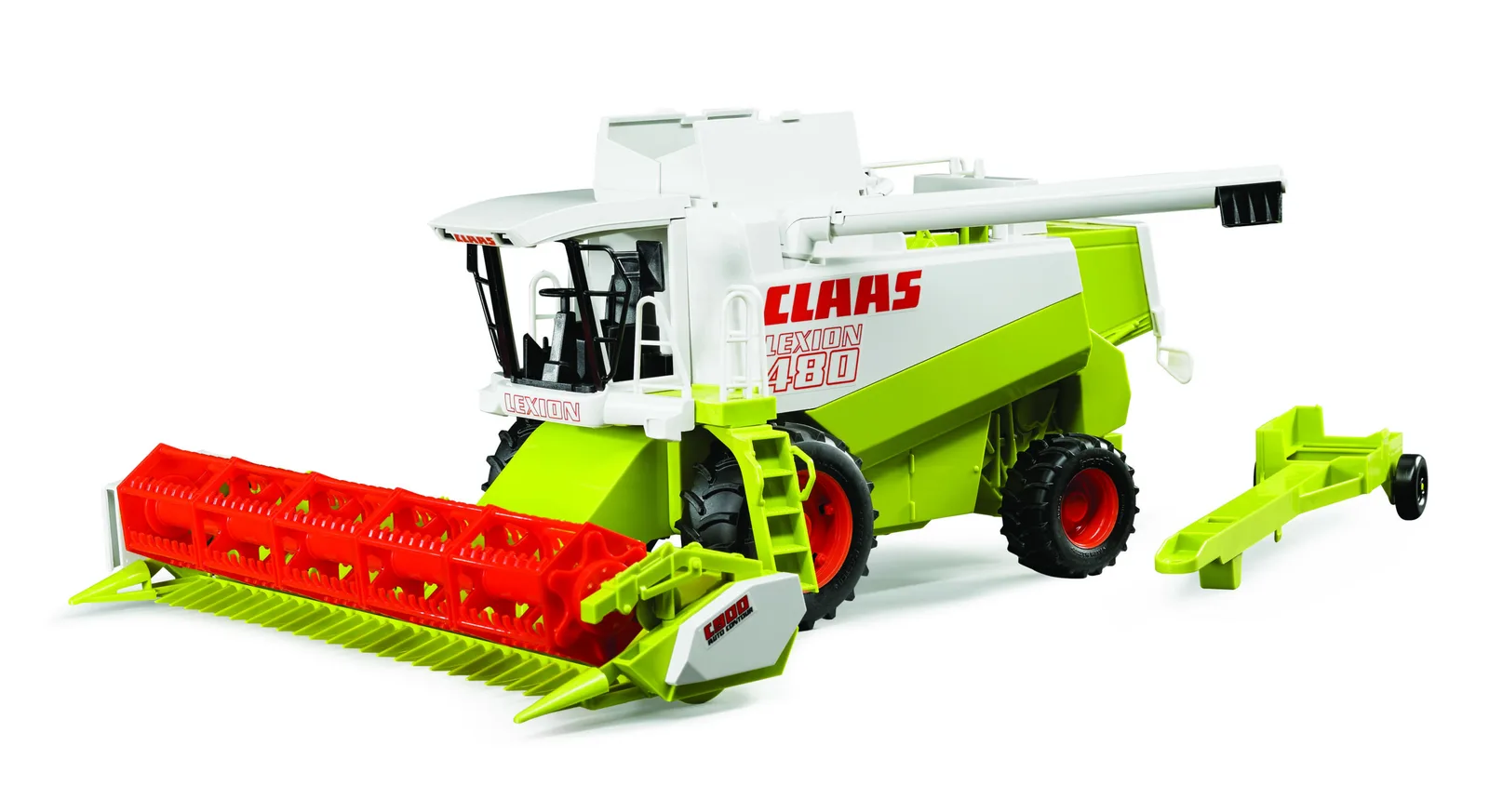
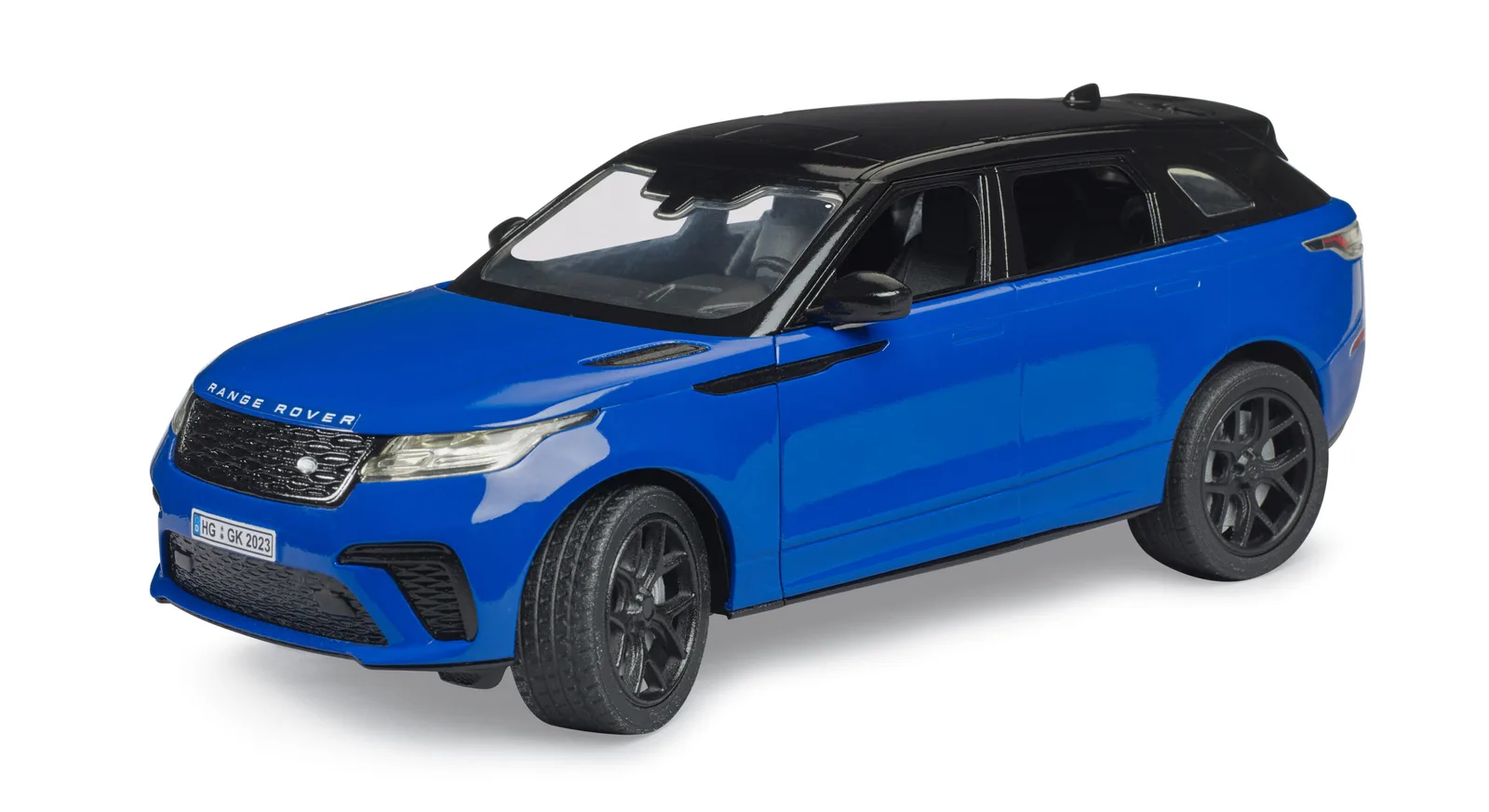
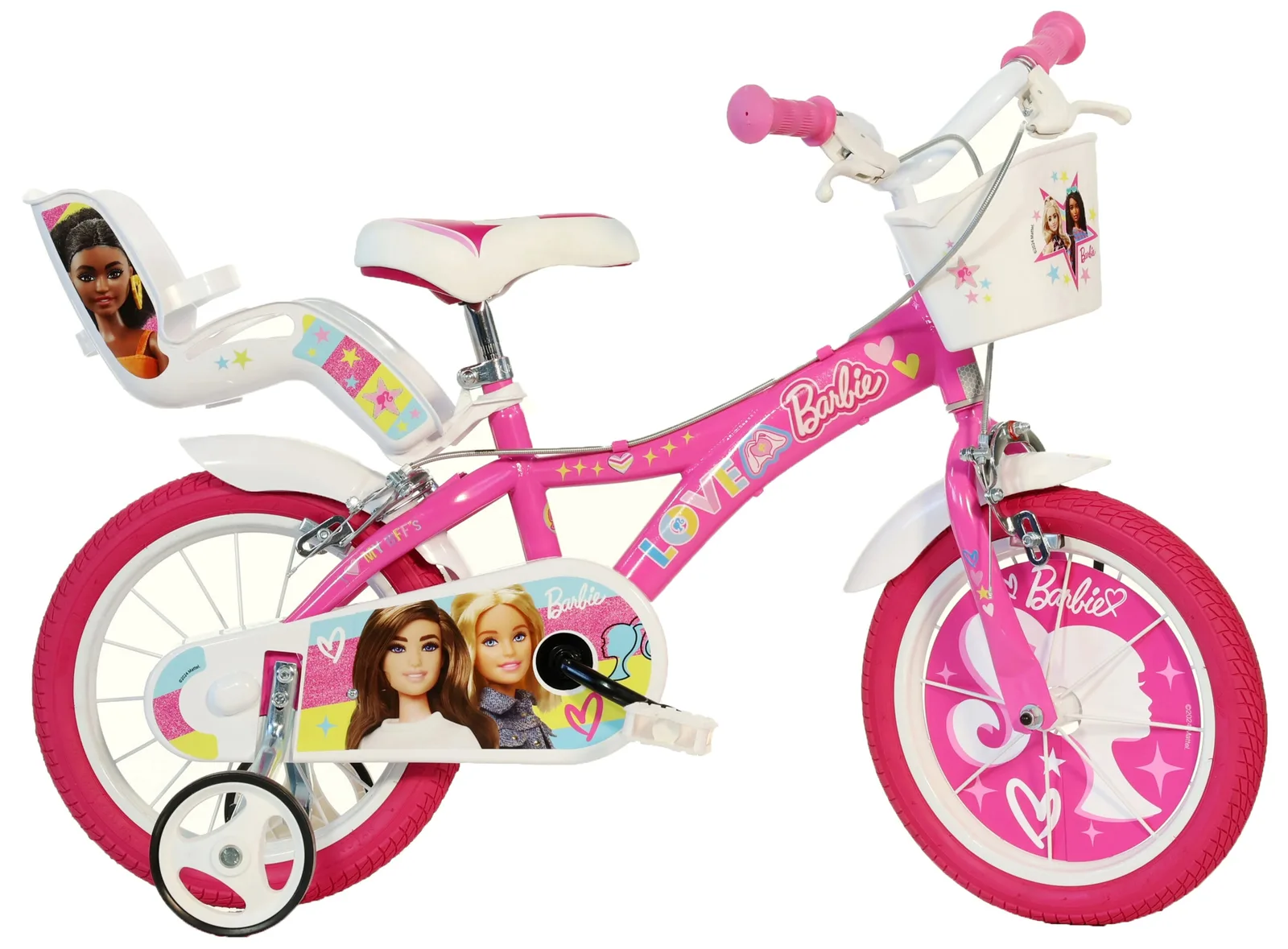
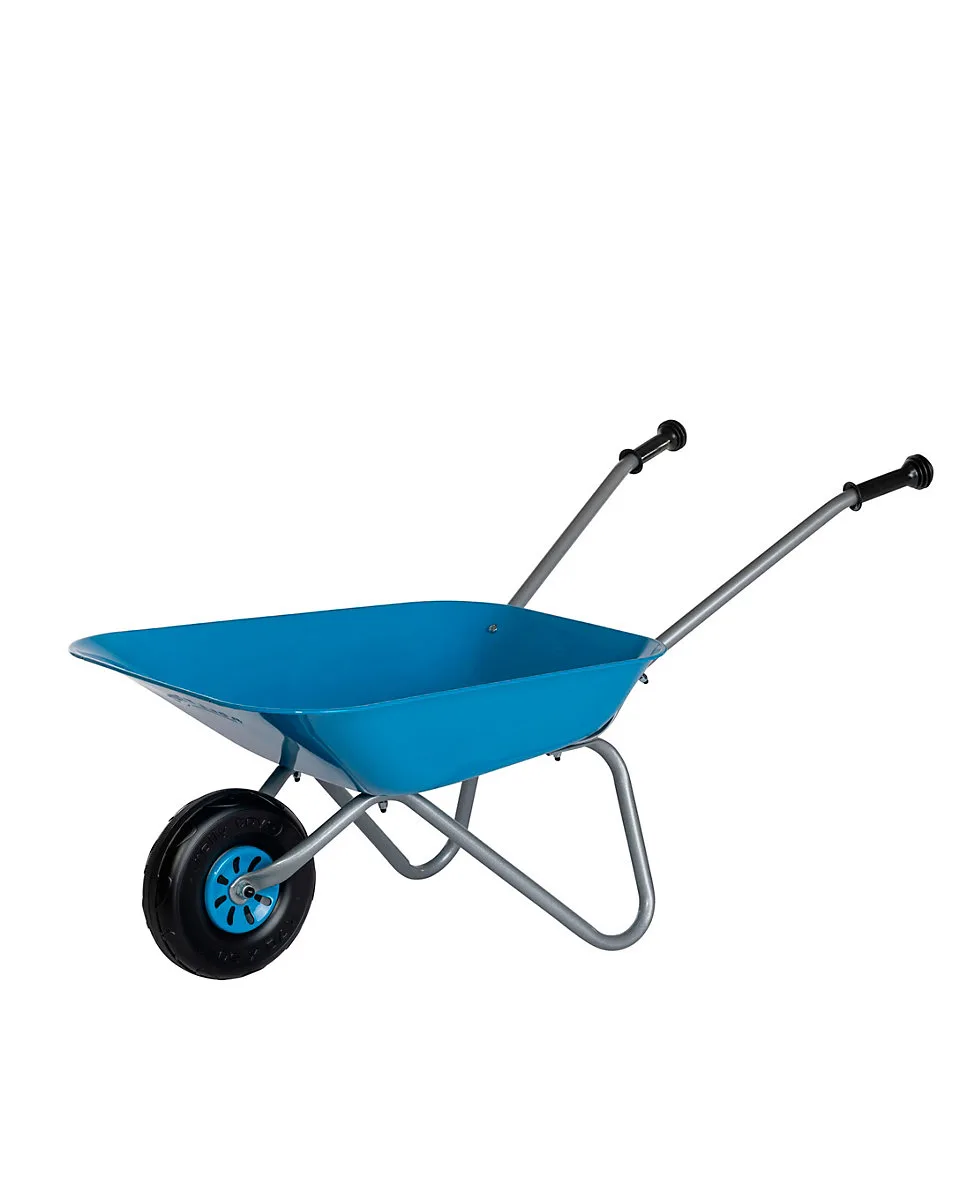
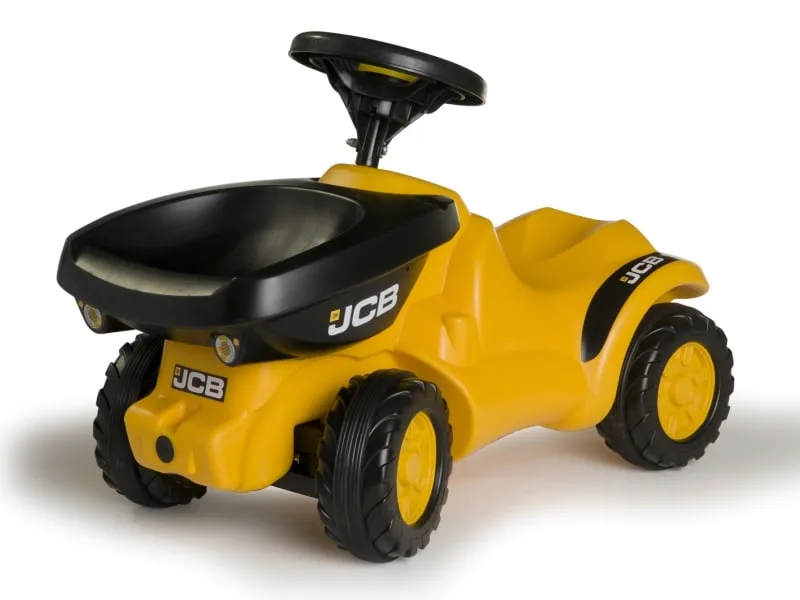
Last Chance to Buy
One of each left in stock. Once it sells, it is gone from this row.
-
Last one
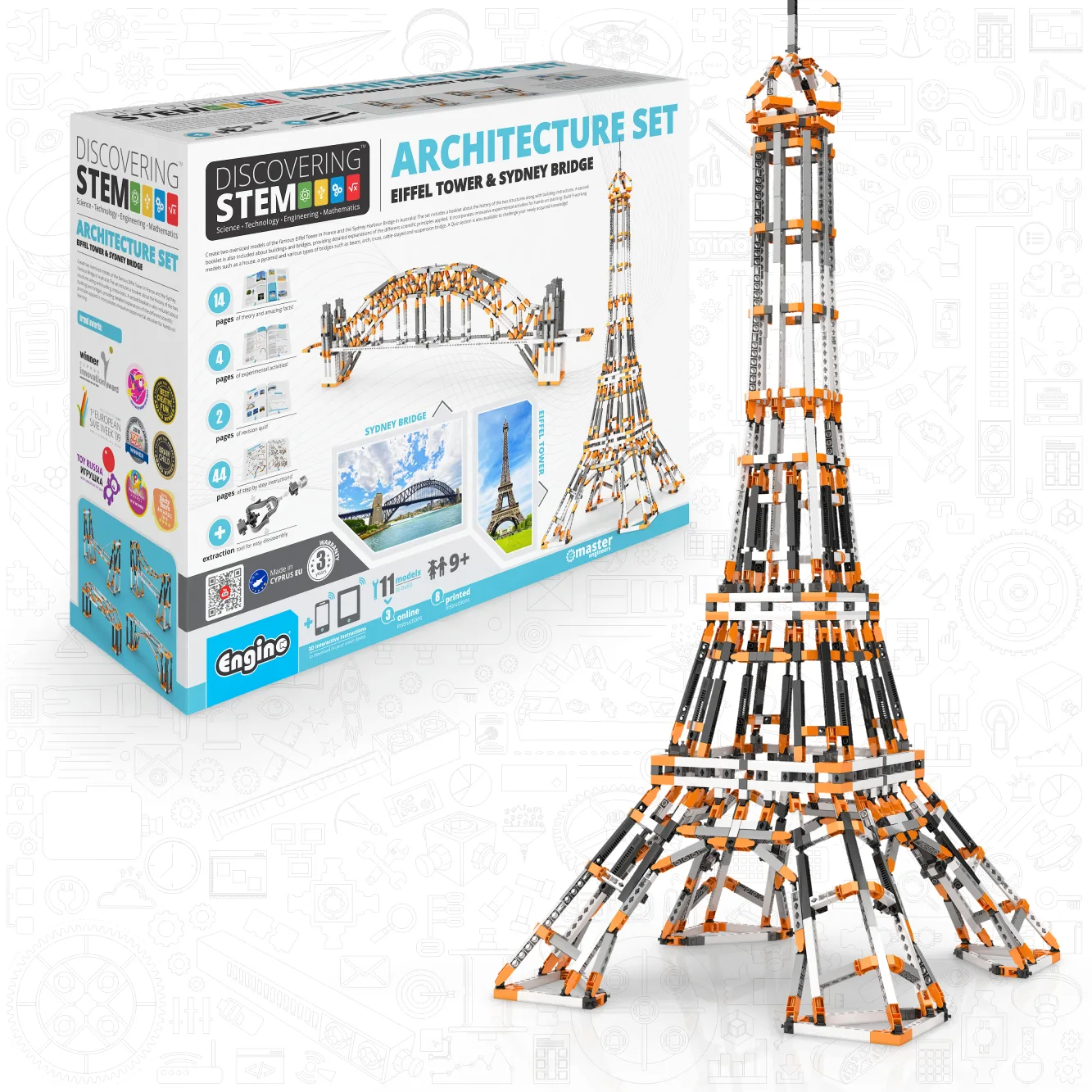
-
Last one
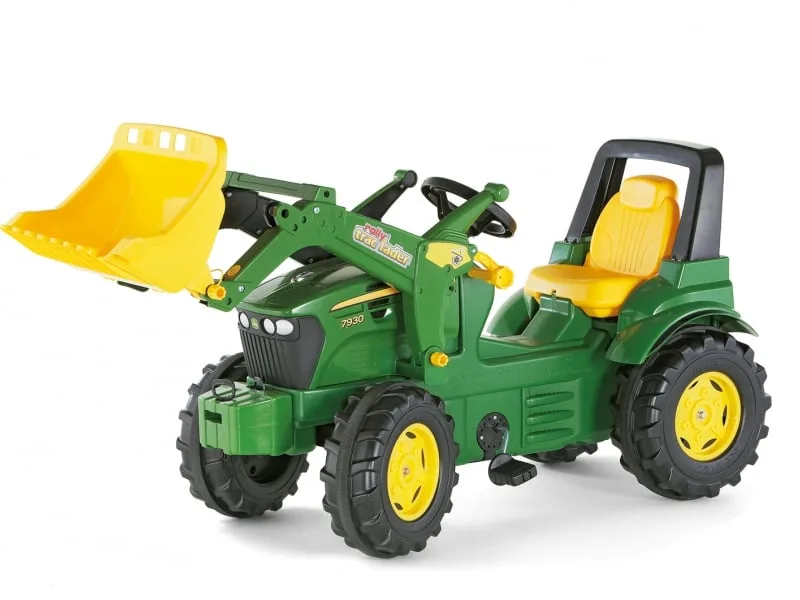
-
Last one
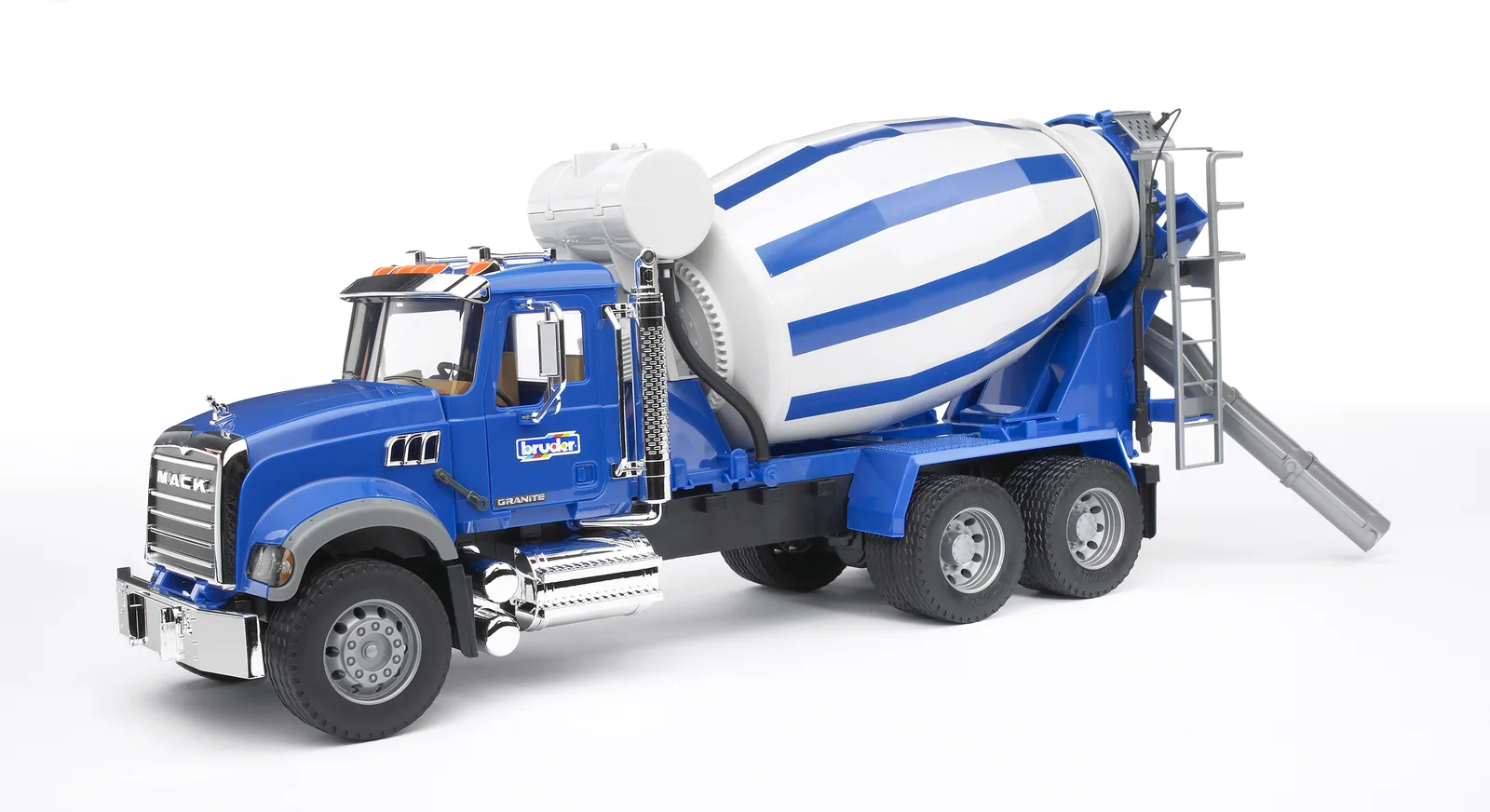
-
Last one
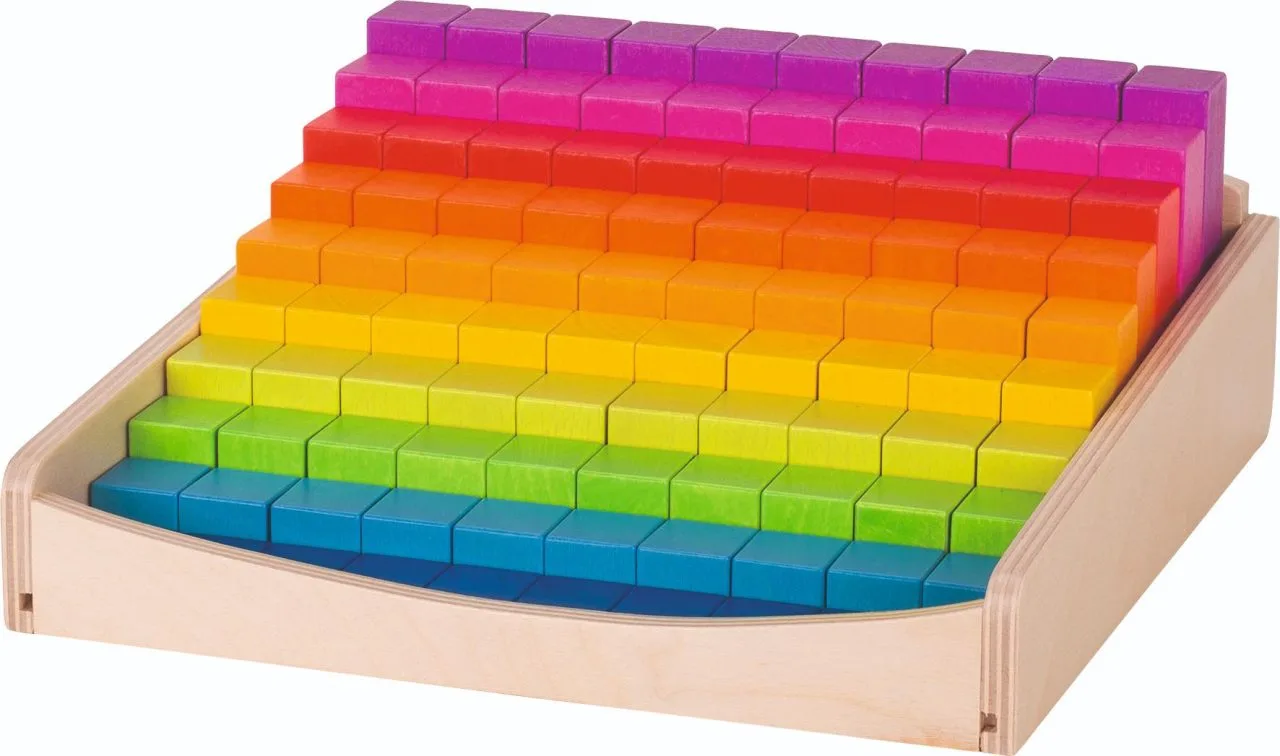
Shop by character
The names they already know, in toys we already stock.
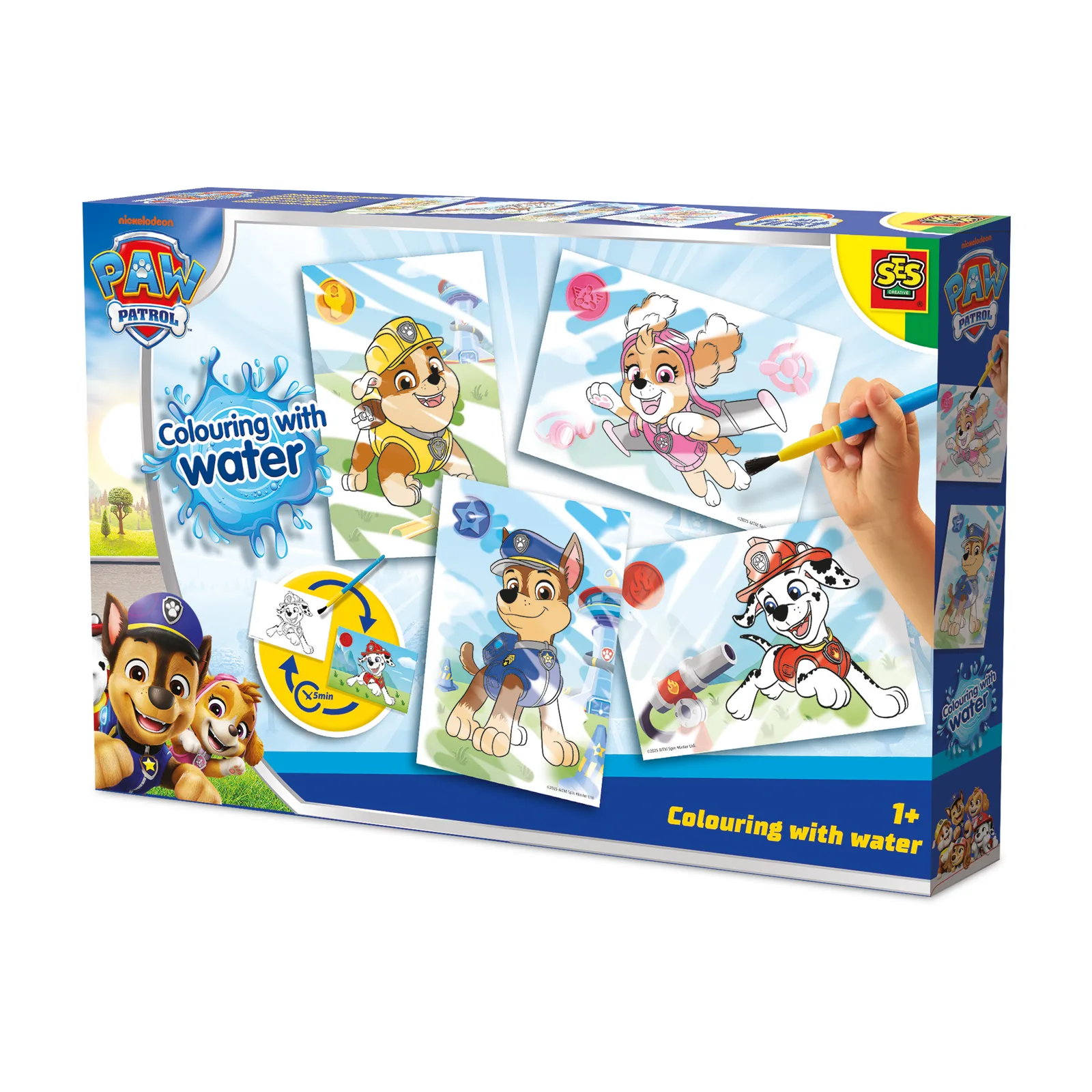
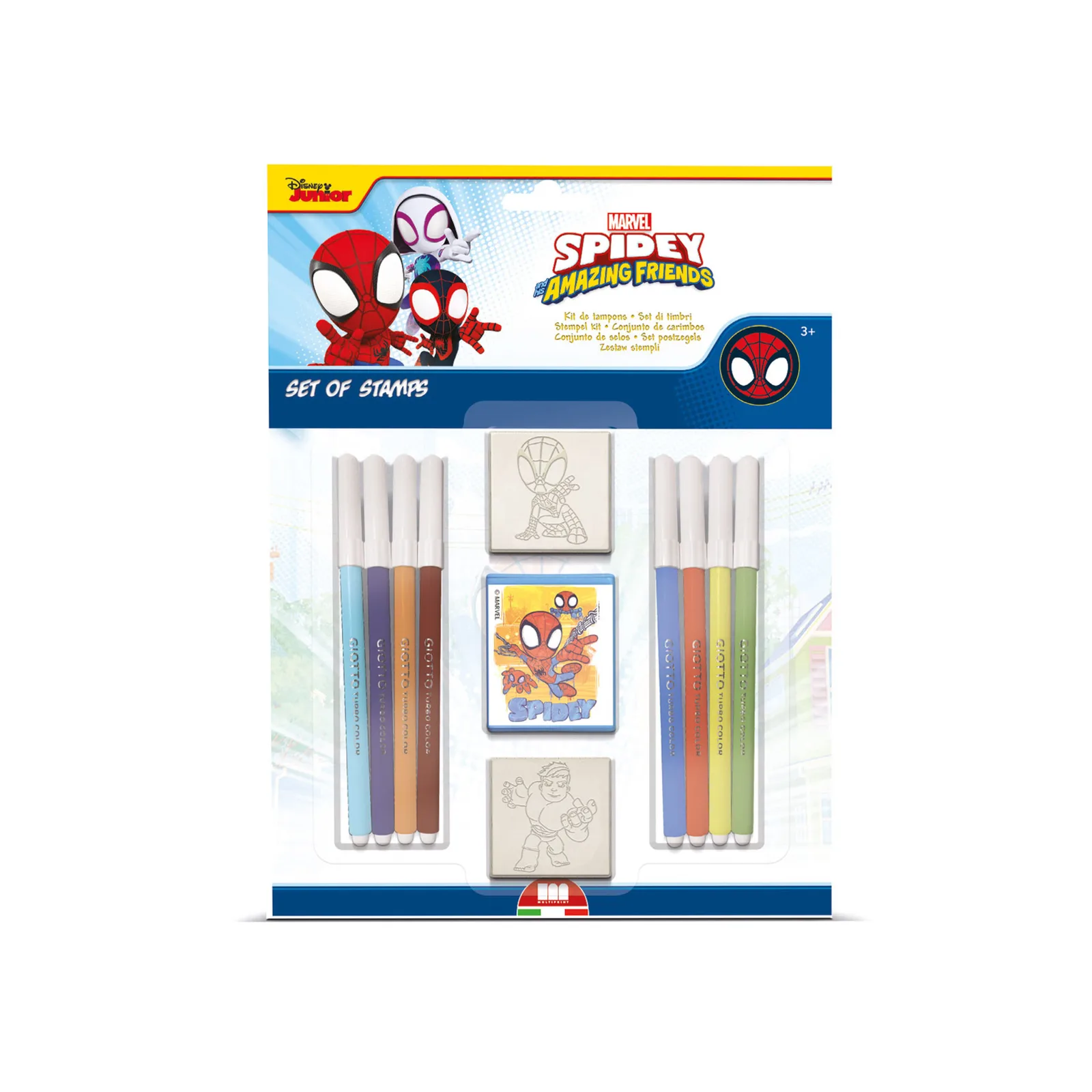
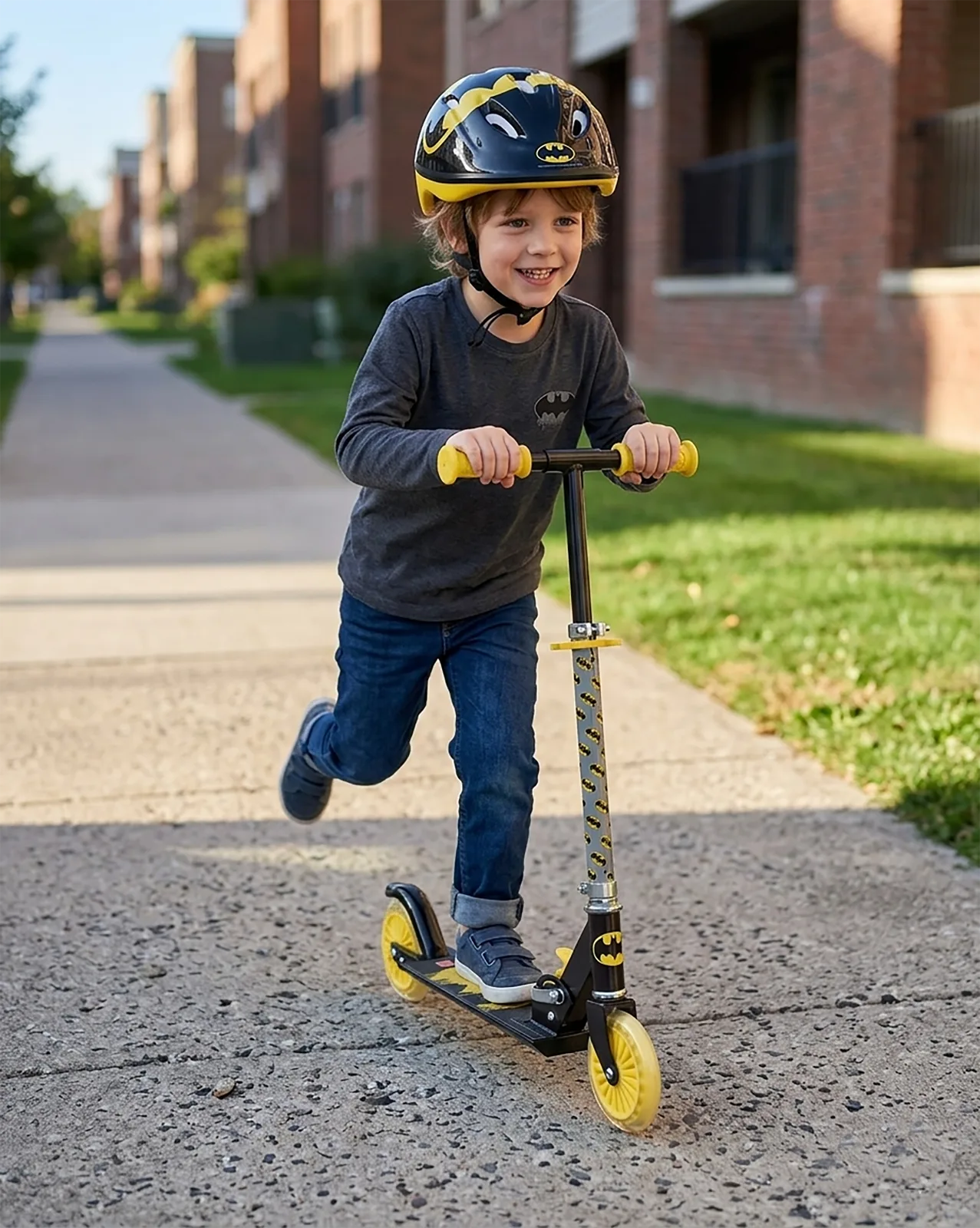
Ride-ons
Pedal tractors, karts and push cars.
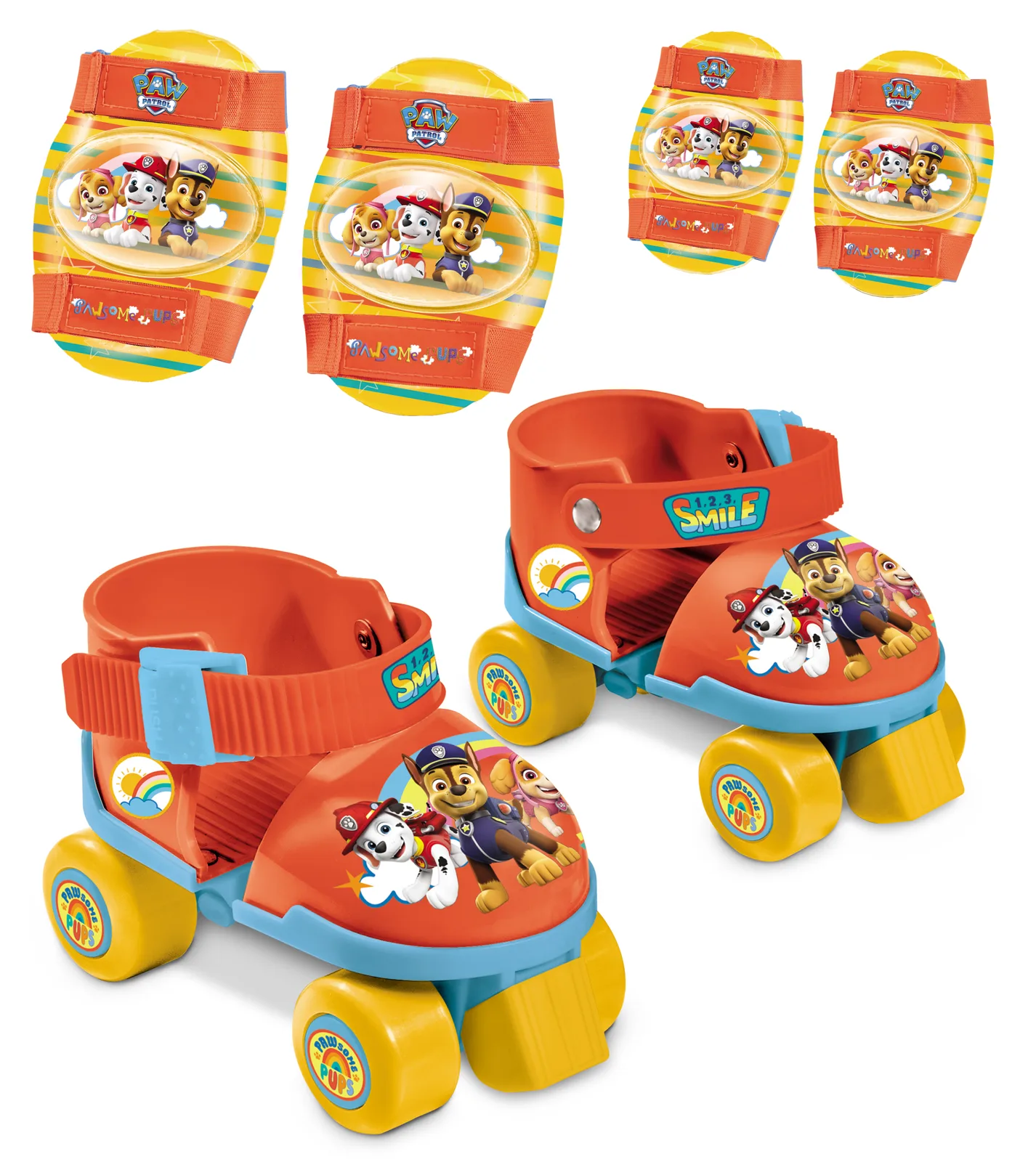
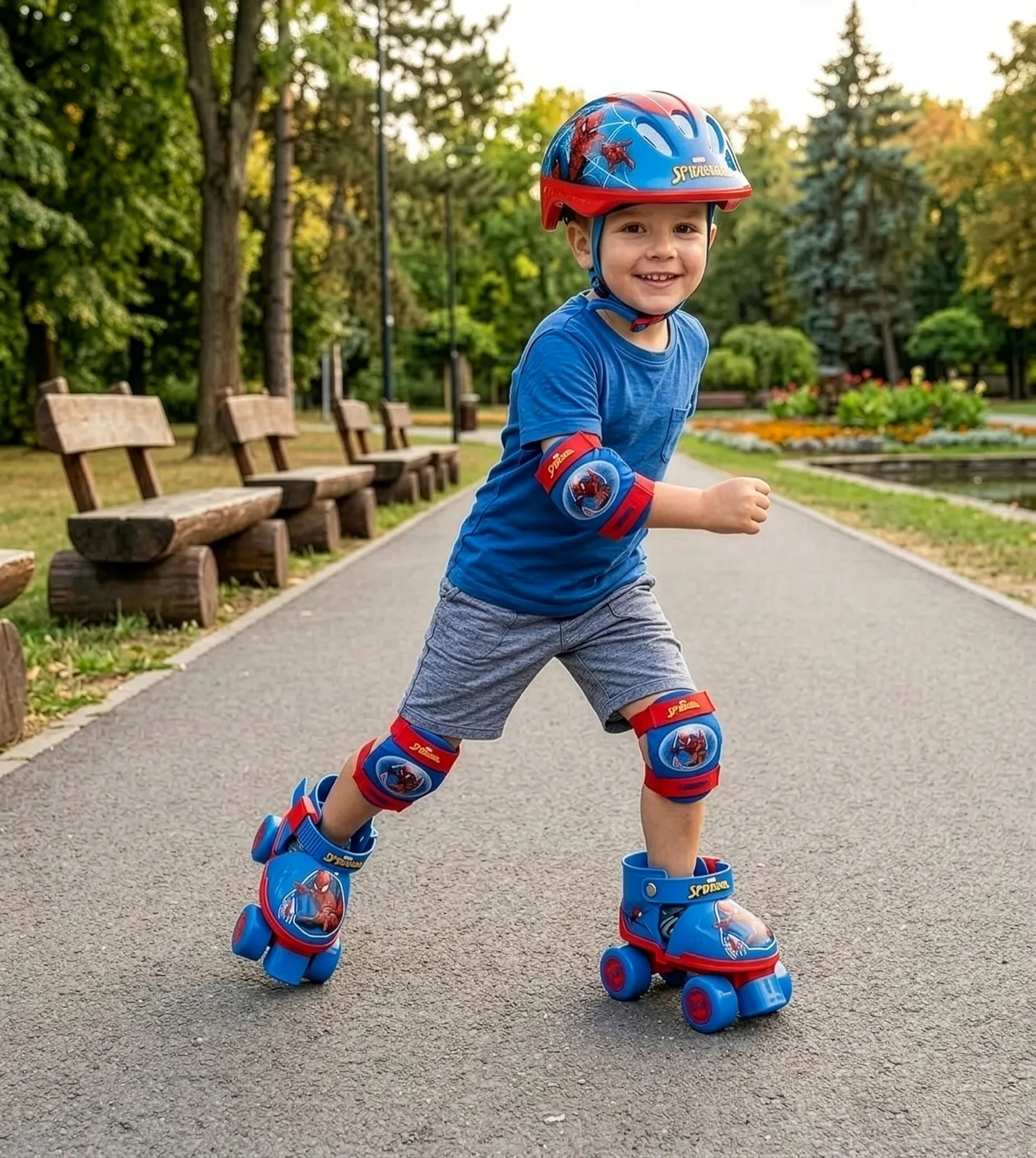
Outdoor play
Trampolines, playhouses, sandpits and slides.